Mastering the Art of Adventure Games: How Resource Management Games Enhance Your Gaming Experience
Adventure games have long captured the imaginations of players. They immerse you into worlds filled with quests, puzzles, and exploration. But what if we told you that integrating resource management concepts into these games could elevate your gaming experience significantly? In this article, we’ll delve into the intersection of adventure games and resource management, while also glancing at comparisons like EA Sports FC 24 vs FIFA 24 and the popularity of DBZ RPG games.
The Essence of Adventure Games

Adventure games are characterized by their rich narratives and often elaborate worlds. Players typically embark on quests that involve solving puzzles, navigating through story-driven scenarios, and interacting with various characters. This genre emphasizes exploration and decision-making, fostering a unique engagement among players.
Introduction to Resource Management

Resource management games challenge players to allocate limited resources effectively while achieving specific goals. They require players to think strategically, balancing priorities such as finance, manpower, and material resources. This genre's principles can easily integrate into adventure games, enhancing the overall gameplay experience.
How Resource Management Transforms Adventure Gameplay

When resource management principles are integrated into adventure games, players’ experiences shift dramatically. Managing resources can add complexity to quests and challenges that make the game more engaging.
- Strategic Depth: Players need to think ahead, making decisions that could impact their quest's outcome.
- Diverse Gameplay Styles: Players can choose different strategies based on their play styles.
- Real Consequences: Poor resource management leads to meaningful gameplay failures.
The Blend of Challenges and Rewards

Incorporating resource management creates an additional layer of challenges. The thrill of allocating resources wisely amidst perilous adventures can enhance the satisfaction of overcoming obstacles. For instance, navigating a treacherous jungle while managing supply rations intensifies the gameplay.
Comparison: EA Sports FC 24 vs FIFA 24

While both games offer distinct experiences, one can glean relevant insights from the mechanics of resource management in sports settings. Just as players must juggle team resources and tactics in soccer, adventure game players also need to carefully consider their resources while on quests.
| Feature | EA Sports FC 24 | FIFA 24 |
|---|---|---|
| Visuals | Improved graphics feedback | Classic visuals |
| Gameplay Mechanics | New strategic deepening | Traditional gameplay flow |
| Resource Management | Team upgrades and management focus | In-game financial management |
Understanding DBZ RPG Games

DBZ RPG games are a mix of role-playing elements with adventure game themes. They often have deep storylines accompanied by resource management tactics. This fusion keeps players engaged, making choices that can shift the narrative and resource allocation significantly.
Core Elements of Resource Management in Adventure Games

How can resource management be effectively incorporated into adventure games? Here are the core elements:
- Resource Types: Health points, equipment, currency.
- Resource Acquisition: Finding items during exploration.
- Trade-offs: Sacrificing one resource for another.
Measuring Player Satisfaction

With strategic resource management, players report higher satisfaction levels. The thrill of seeing resources convert into successful outcomes keeps the intrigue alive throughout the adventure.
Creating Dynamic Quests

Developers can design quests that require players to manage their resources actively. For instance, a quest that challenges players to gather supplies and then utilizes those for an upcoming battle adds layers to the adventure experience.
Storytelling Enhanced by Resource Challenges

The narrative itself can be enhanced by including resource challenges. Imagine a protagonist who must save their village by cleverly balancing their dwindling supplies against an impending threat. Such scenarios create rich storytelling opportunities.
Community Impacts of Resource Management

Engaging players through community events focusing on resource management challenges can deepen the adventure experience even further. Bringing players together to share strategies and achievements fosters a sense of belonging.
Adapting to Player Choices

Adventure games need to adapt to player decisions related to resource management. Each choice should feel impactful. This can maintain a high level of engagement and replayability.
Incorporating Feedback Loops
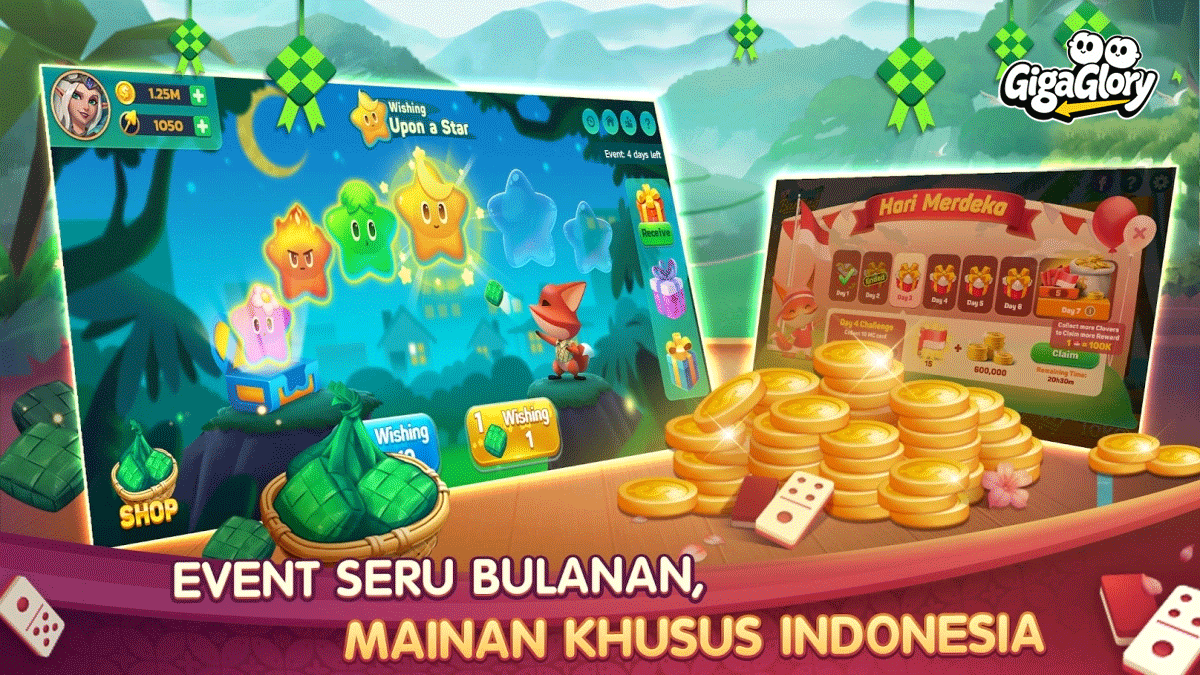
Feedback is critical in resource management systems. Players should be informed about their decisions' outcomes, ensuring they understand the impact, thus creating a feedback loop that encourages planning and strategy.
Future of Adventure Games with Resource Management

The future of adventure gaming looks promising, especially with the integration of resource management systems. As technology advances, expect even more innovative gameplay that emphasizes strategy.
Conclusion

As we have explored, mastering the art of adventure games involves understanding the significant role of resource management. By weaving in these concepts, players experience increased challenges and dynamics that deepen their engagement. Whether you are drawn to the epic quests of adventure games or captivated by the nuances of resource allocation in games like EA Sports FC 24 vs FIFA 24, embracing this synergy promises an enriching gaming experience. The evolution of genres continues, and staying current with trends such as DBZ RPG games highlights the limitless potential of gameplay innovations.