Exploring the Allure of Open World Games: Why Sandbox Games Captivate Players
Open world games, often referred to as sandbox games, have taken the gaming world by storm. These fascinating virtual environments have the remarkable power to captivate players, allowing them to carve their own paths and create unique gaming experiences. But what makes these games so alluring? Let's dive deep into the elements that draw players to open world games.
What Are Open World Games?

Open world games are video games set in expansive environments that players can explore freely. Unlike linear games, where progression is straightforward, open world games offer a wealth of activities, side quests, and customizable experiences. Players can approach challenges in their own way, making each journey distinctly personal.
The Charm of Sandbox Games

Sandbox games fall under the umbrella of open world games, providing players with tools and mechanics that enable creative expression. Players can often build, modify, and manipulate the game world. This level of interactivity fosters a sense of agency and ownership over the gameplay experience, a significant reason for their popularity.
Game World Diversity and Immersion

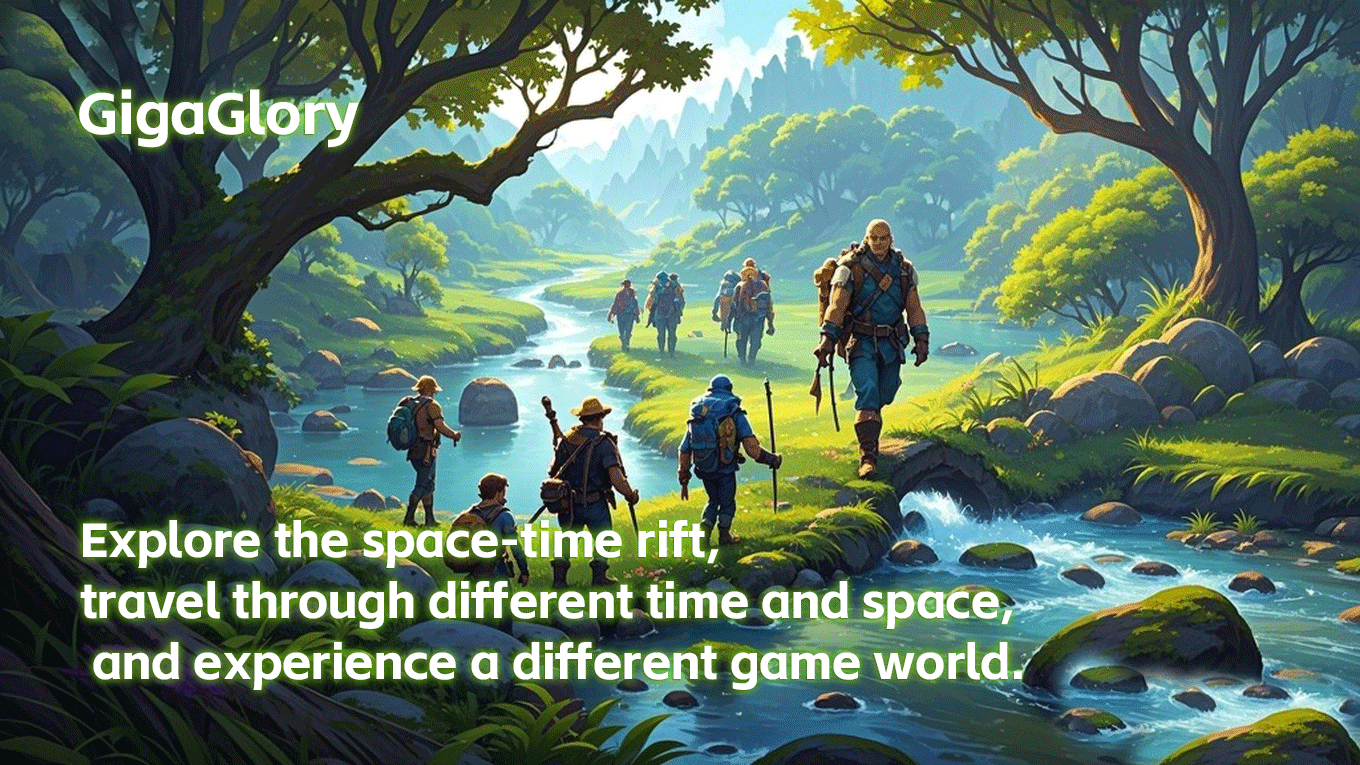
The richness and variety of environments in open world games are striking. From lush forests to arid deserts, players are treated to visually stunning landscapes that beckon exploration. The immersion factor increases with detailed graphics, ambient sounds, and engaging storylines that pull players deeper into the virtual worlds.
Freedom of Choice

One of the defining features of sandbox games is the freedom to choose. Players decide where to go, which quests to undertake, and how to interact with the world around them. This liberating aspect leads to diverse playstyles, making the experience unique for each individual.
Clash of Clans: A Case Study in Strategy Games

Although not a traditional open world game, Clash of Clans offers insights into player engagement through strategic elements. Players must build their clans, engage in battles, and strategize their approach to succeed. It demonstrates how freedom and choice can manifest even in games with more structured environments.
The Psychological Impact of Open Worlds

The expansive nature of open world games allows players to escape reality, providing a therapeutic experience. Crowned by rich narratives and engaging gameplay, players often find that these virtual worlds help alleviate stress and offer an outlet for imagination.
Social Connection in Multiplayer Sandbox Games

Sandbox games foster community, as players connect and collaborate in these vast landscapes. Multiplayer modes enable players to share their experiences and creations, leading to a sense of belonging within gaming communities.
Challenges and Risks in Open Worlds
While the allure is strong, open world games can pose challenges. Exploration may lead to overwhelming choices, and some players might feel lost or disengaged. Game developers must strike a balance between freedom and direction, ensuring the experience remains engaging.
Key Elements that Keep Players Engaged
Here are several key factors that contribute to the captivating nature of open world games:
- Exploration: Discovering new areas keeps the excitement alive.
- Customizable Characters: Personalization enhances player connection.
- Dynamic Quests: Randomized events keep gameplay fresh.
- Community Engagement: Collaborating with other players fosters bonds.
- Realism and Graphics: Stunning visuals enhance immersion.
Creating Your Own Story

Each player's journey in sandbox games is unique. Whether you choose to become a stealthy assassin in Assassin’s Creed or a heroic figure in The Legend of Zelda, the narrative is shaped by the player’s decisions and actions. This artistry is a critical appeal of open world games.
Evolution of Open World Games

Historically, open world games have evolved remarkably. From the early efforts in games like Grand Theft Auto to the immersive worlds of modern titles, trends indicate a continued push for larger and more engaging environments. Game designers are focused on giving players more ways to interact and influence their surroundings.
The Future of Open World Gaming

As technology advances, the future of open world games looks bright. Virtual reality (VR) and augmented reality (AR) are set to redefine how players engage with these vast environments, offering even greater immersion. Players may soon find themselves physically interacting with the game world like never before.
The Balance of Challenge and Exploration
Developers must skillfully balance the challenge with exploration. Too much freedom can undermine a player's sense of purpose, while too many constraints can weaken the allure. Titles such as Breath of the Wild have shown how to integrate both elements seamlessly.
Player Feedback and Community Input
Community feedback significantly shapes the evolution of open world games. Engaging the player base allows developers to fine-tune experiences and address concerns, ultimately leading to improved gameplay and stronger player satisfaction.
Conclusion

In summary, the allure of open world games lies in their ability to immerse players in enchanting environments where they can explore, create, and escape. The freedom they provide, paired with the ability to forge personal narratives, keeps players returning for more. As technology advances and gaming communities continue to grow, sandbox games will undoubtedly maintain their captivating grip on players worldwide.
| Key Features | Impact on Players |
|---|---|
| Expansive Worlds | Encourages Exploration |
| Player Agency | Enhances Engagement |
| Dynamic Quest Systems | Keeps Gameplay Fresh |
| Community Interaction | Fosters Social Connections |
| Creative Freedom | Increases Player Investment |