Exploring Adventure Games vs. Life Simulation Games: Which Experience Captivates Gamers More?
In the dynamic world of gaming, two genres frequently spark conversations among enthusiasts: adventure games and life simulation games. Each offers unique experiences, captivating gamers in distinct ways. This article dives into the captivating worlds of these two genres, their inherent strengths, and how they compare regarding player engagement.
Understanding Adventure Games
Adventure games transport players into thrilling narratives filled with challenges and exploration. Often characterized by immersive storytelling, players solve puzzles and navigate complex plots. Popular examples include titles like "The Legend of Zelda" and "Grim Fandango." Each game challenges players' problem-solving skills while delivering a rich narrative journey.
Key Characteristics of Adventure Games
- Engaging Narratives: Players often find themselves deeply invested in the characters and storylines.
- Puzzle Solving: A hallmark of adventure games, challenging players to think critically and creatively.
- Explorative Gameplay: Exciting environments to explore lead to hidden treasures and stories.
Understanding Life Simulation Games
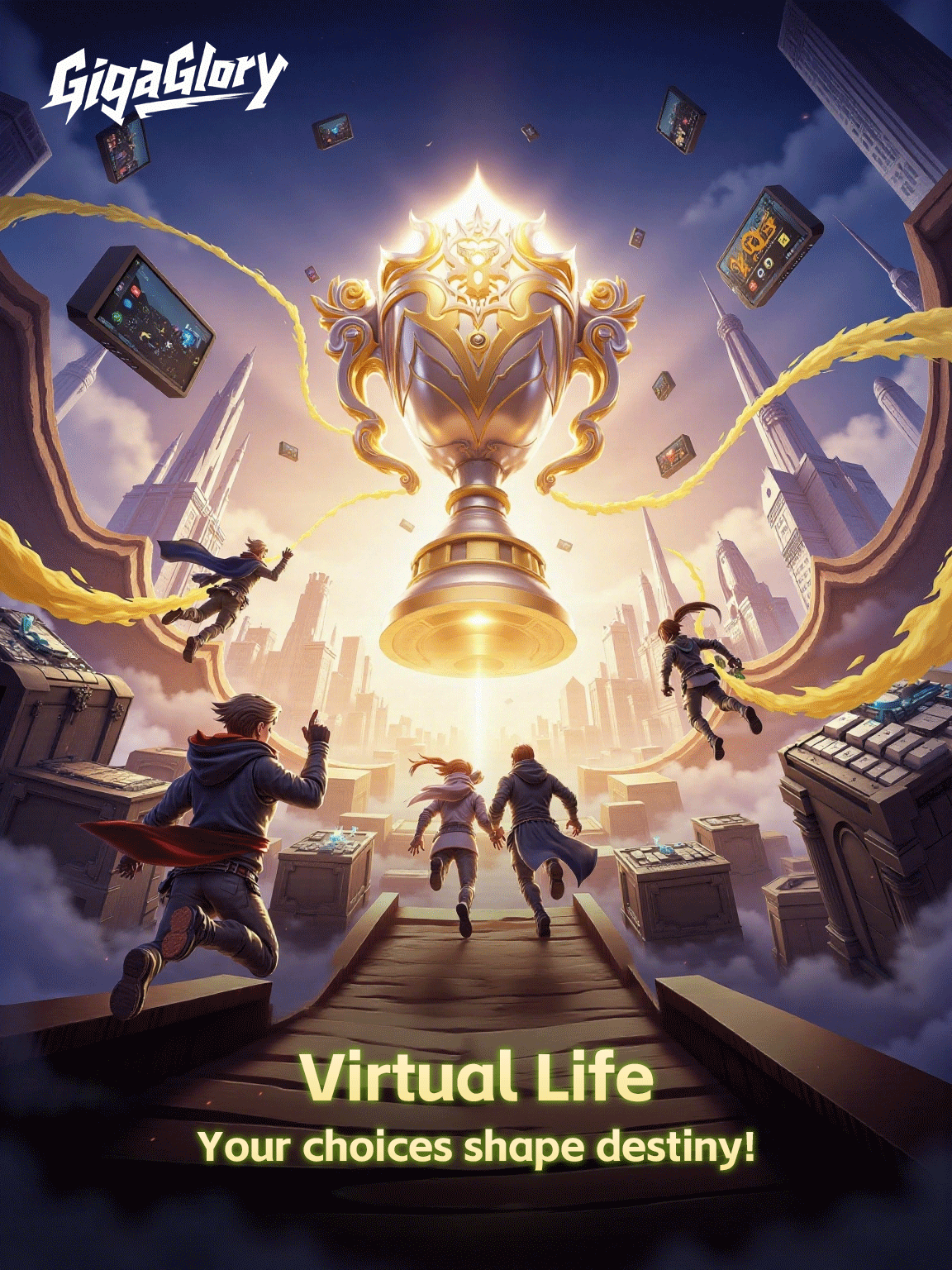
Contrastingly, life simulation games present a sandbox experience, allowing players to create and manage their virtual lives. They often focus on tasks like building homes, developing relationships, and achieving goals. "The Sims" series exemplifies this genre, providing limitless possibilities for creativity and self-expression.
Key Characteristics of Life Simulation Games
- Customization: Players can tailor their characters and environments to reflect their personalities.
- Open-Ended Play: Unlike many adventure games, life simulations don’t have set endings, allowing for continuous play.
- Social Interaction: Building relationships and managing social dynamics is central.
Comparison: Adventure Games vs. Life Simulation Games
| Feature | Adventure Games | Life Simulation Games |
|---|---|---|
| Storytelling | Strong narrative focus with quests | Story emerges through player choices |
| Puzzles | Complex riddles and challenges | Minimal focus on puzzles |
| Creativity | Limited to problem-solving | Extensive customization and building |
| Time Investment | Often structured with goal completion | Players can play at their own pace |
The Appeal of Adventure Games
Adventure games often resonate with individuals seeking a structured narrative filled with challenges. The thrill of solving intricate puzzles and progressing through an epic storyline creates a sense of achievement. Moreover, immersive worlds transport players into fantastical realms, resulting in unforgettable experiences.
The Appeal of Life Simulation Games
In contrast, life simulation games cater to players craving creativity and freedom. These games enable users to craft their virtual lives; whether it’s building a dream home in "The Sims" or cultivating a town in "Animal Crossing," players relish the control they have over their environment. Additionally, the social elements can enhance interaction and foster community among players.
Impact of Graphics in Both Genres
Graphics play a significant role in enhancing player engagement. Adventure games often invest in detailed visuals that elevate storytelling. On the other hand, life simulation games leverage vibrant, often lighter aesthetics, appealing to a broader demographic. The visual appeal in games like Digimon Digital Story Mobile Game illustrates how graphics can draw in fans from both genres.
The Rise of Voxel RPG Games
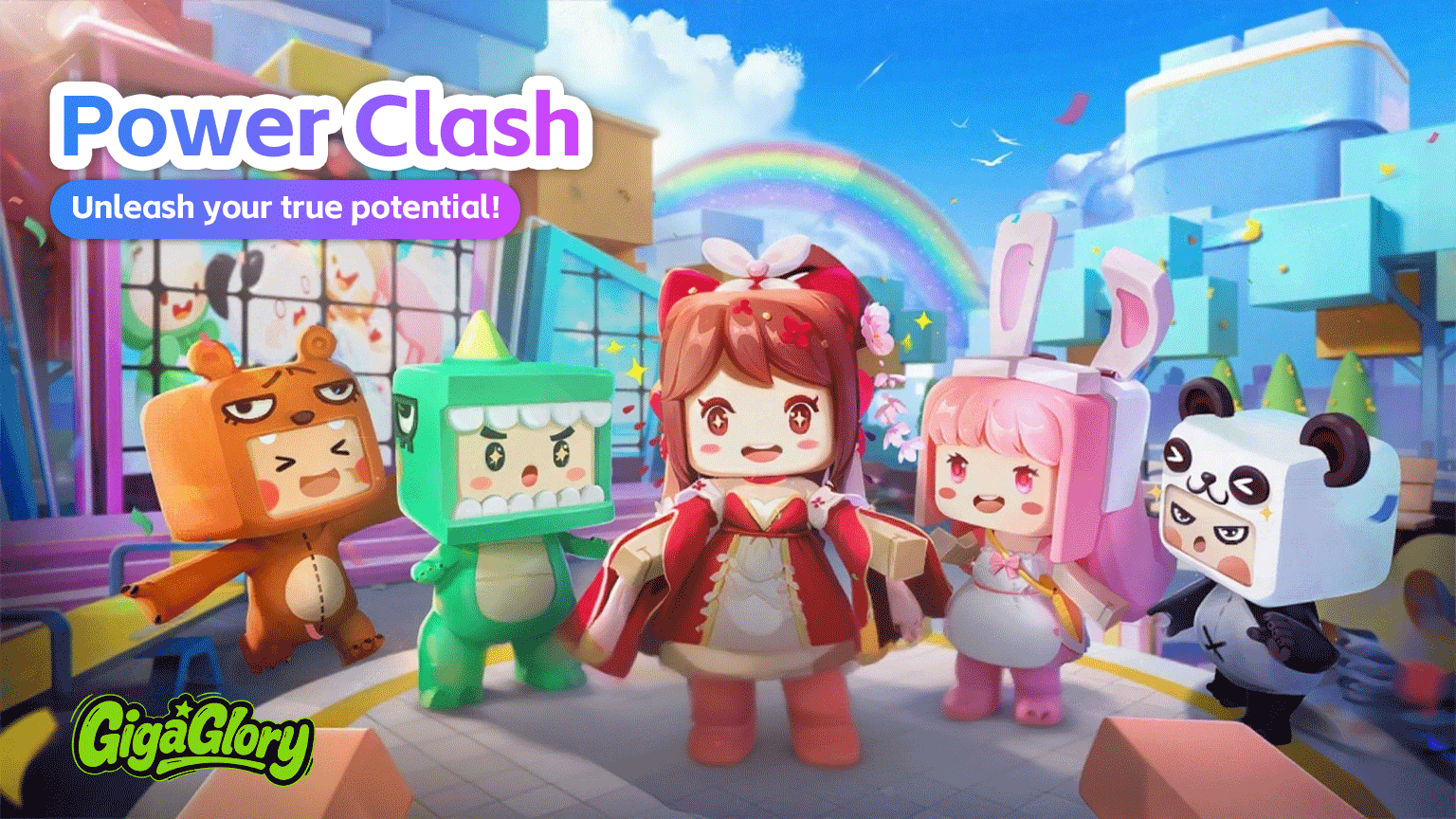
In recent years, voxel RPG games have gained popularity, blending elements from both adventure and life simulation. These games offer a unique aesthetic and gameplay style that attracts a varied audience. Titles such as Voxel RPG present players with endless possibilities for creativity while maintaining the intrinsic quests found in adventure games.
Player Demographics and Preferences
Analyzing the audience of these games reveals fascinating insights. Adventure games typically attract younger players looking for a challenge, while life simulation games seem to enchant all ages, particularly those desiring creativity and expression.
The Role of Community in Gaming
In both genres, community plays an essential role. Adventure games often have forums and chat groups where players share their strategies for difficult puzzles. Conversely, life simulation games encourage players to showcase their creations, creating thriving online communities.
Monetization Strategies
Both adventure and life simulation games utilize different monetization strategies. Adventure games often rely on upfront purchases, while life simulation games frequently use in-game purchases for customization options. Understanding these financial dynamics is crucial for developers and gamers alike.
The Future of Adventure and Life Simulation Games
Both genres continue to evolve, incorporating new technologies and gameplay mechanics. The exploration of virtual reality, augmented reality, and AI stands at the forefront, promising even more immersive experiences. Game developers seek innovative ways to merge the best elements of both genres, leading to new hybrid gameplay.
Conclusion: Which Captivates More?
Ultimately, whether one prefers adventure games or life simulation games boils down to personal preference. Adventure games offer thrilling narratives and puzzles for engaged players, while life simulation games present an unstructured platform for creativity and social interaction. Both genres have unique merits, appealing to different aspects of the gaming experience. As the gaming landscape grows, the choice between these captivating games remains a delightful conundrum for gamers around the world.